
Chenyun Meteorological Monitoring Safeguards Mine Operations in Kyrgyzstan
- 2025-12-20 19:30:59
- yigood.net
- Cases
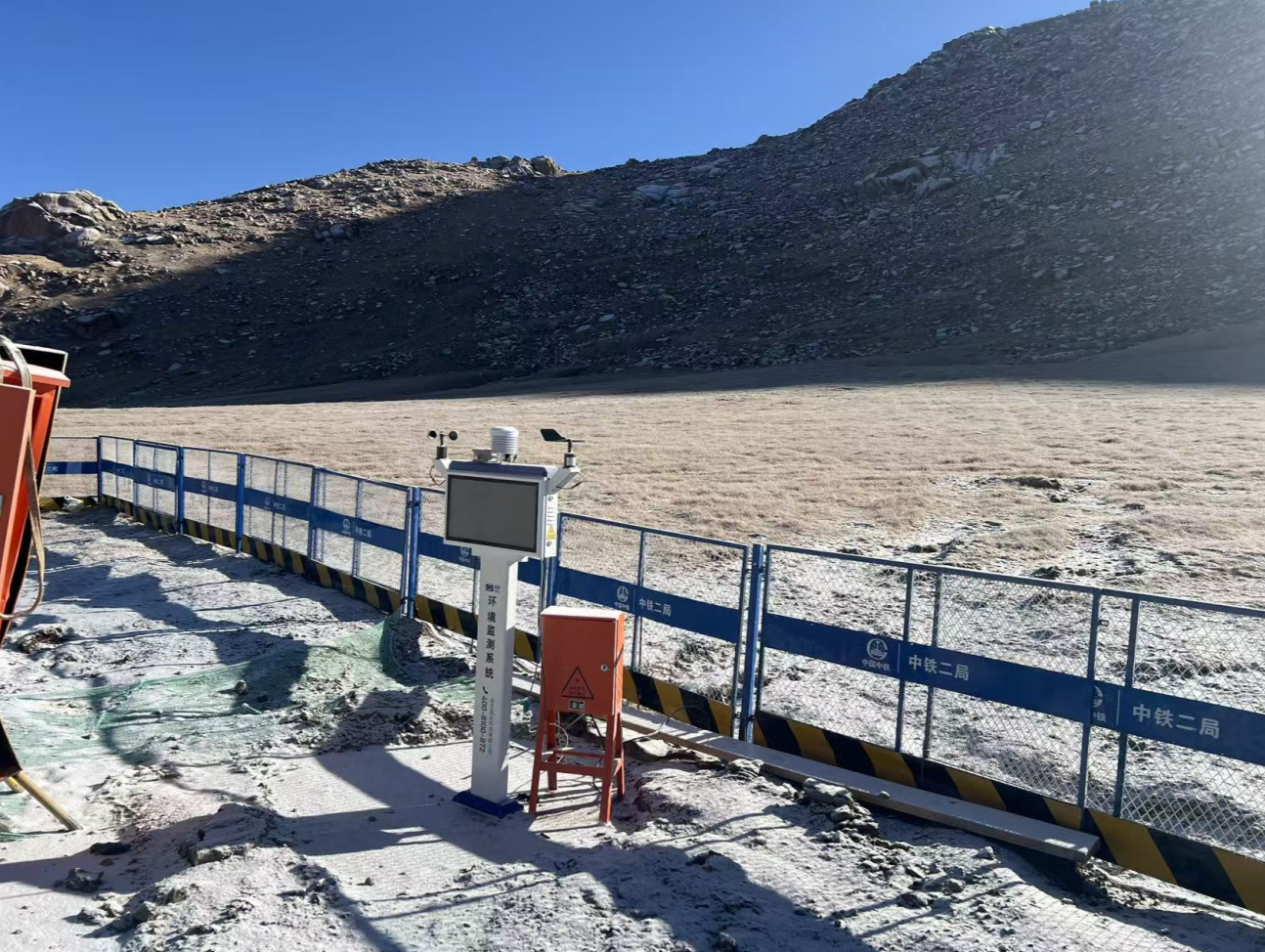
Environmental Monitoring by Weather Stations in Mines
Environmental monitoring using weather stations plays a vital role in mine operations, especially open-pit mines. It has evolved from a supporting tool into a core system that safeguards safety, enhances operational efficiency, and fulfills environmental responsibilities.
Below is a detailed elaboration on the application of weather station-based environmental monitoring in mines:
I. Core Objectives: Why Do Mines Need Professional Weather Stations?
Mines, particularly open-pit ones, are dynamic environments highly susceptible to weather conditions. Professional weather stations provide accurate, real-time localized meteorological data, aiming to address three core priorities:
- Ensure the safety of personnel and equipment
- Optimize production and operational efficiency
- Meet the requirements of environmental protection regulations
II. Key Monitoring Parameters and Their Specific Applications
Mine weather stations typically monitor one or more of the following parameters, which can be customized based on the mine’s specific needs. Here are the detailed applications and importance of these parameters in mining scenarios:
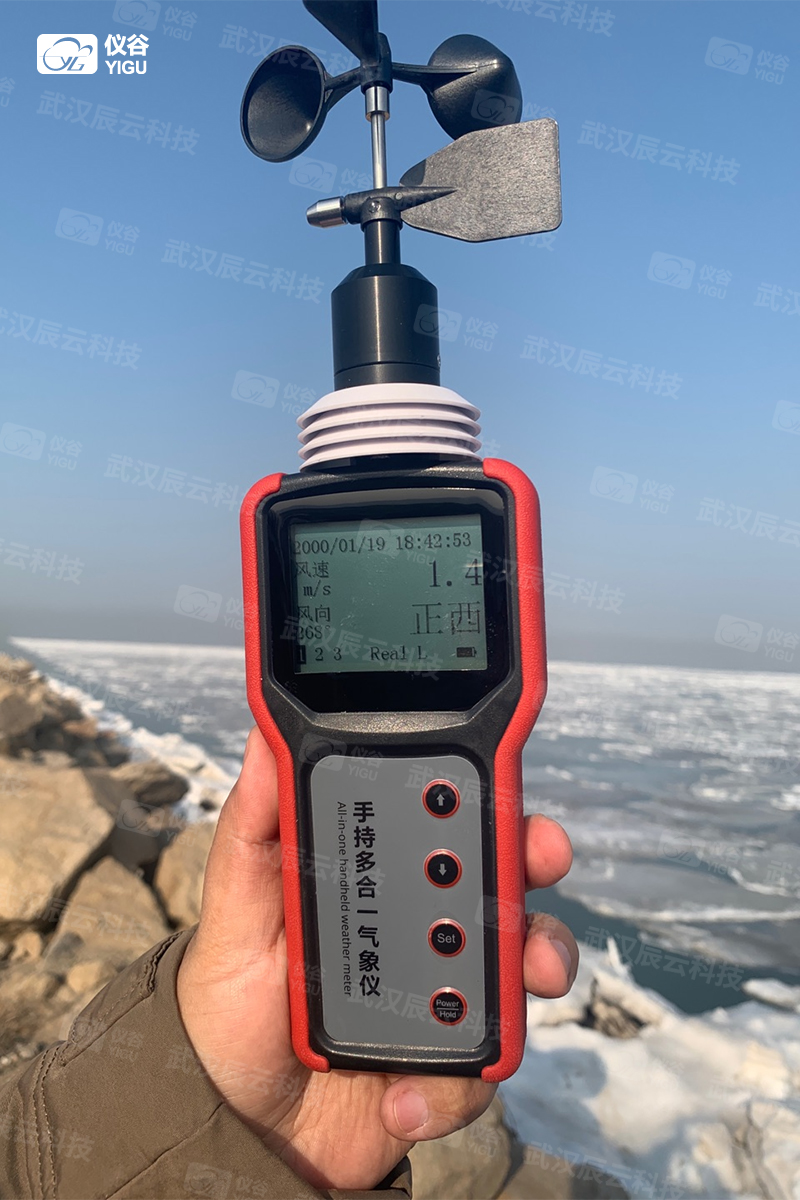
Wind Speed and Direction
- High-altitude Operations and Hoisting: Determine the safe wind speed limits for cranes and aerial equipment to prevent overturning accidents.
- Blasting Operations: Identify wind direction to evacuate personnel in downwind areas, avoiding harm to staff and facilities from toxic gases and dust generated by blasting.
- Dust Diffusion Prediction: Combine wind speed and direction data to forecast and track the diffusion path of dust from mining, transportation, and crushing processes, enabling timely dust suppression measures.
- Environmental Protection: Monitor prevailing wind directions to assess the impact on surrounding residential areas and sensitive zones.
Precipitation and Rainfall Intensity
- Flood Control and Drainage
- Monitor rainfall in real time to issue early warnings for potential risks such as pit waterlogging, slope landslides, and debris flows, triggering the drainage system promptly.
- Provide data support for flood control design in mining areas.
- Production Scheduling: Heavy rainfall can impair the trafficability of haul roads and necessitate suspension of open-pit mining. Early warnings help optimize production scheduling.
Ambient Temperature and Humidity
- Equipment Operation: Extreme temperatures (high or low) can affect the engine performance and hydraulic systems of large mining equipment (e.g., electric shovels, haul trucks).
- Employee Health: Prevent heatstroke in high temperatures or frostbite in low temperatures by arranging work and rest periods rationally.
- Dust Control: Low air humidity increases dust generation, requiring more frequent sprinkler operations.
Atmospheric Pressure
- Mainly used for data correction and supporting weather forecasting models, it is particularly important for high-altitude mining areas.
Noise
- Monitor noise levels at mine boundaries to ensure compliance with environmental standards and avoid disturbances to nearby communities.
Particulate Matter (PM2.5, PM10)
- Real-time monitoring of dust concentrations in mining areas and at their boundaries to evaluate the effectiveness of dust suppression measures (e.g., sprinkling, fog cannons).
- Generate environmental reports to demonstrate compliance to regulatory authorities.
- Protect employee health by mandating the use of protective gear in areas where dust concentrations exceed safety limits significantly.
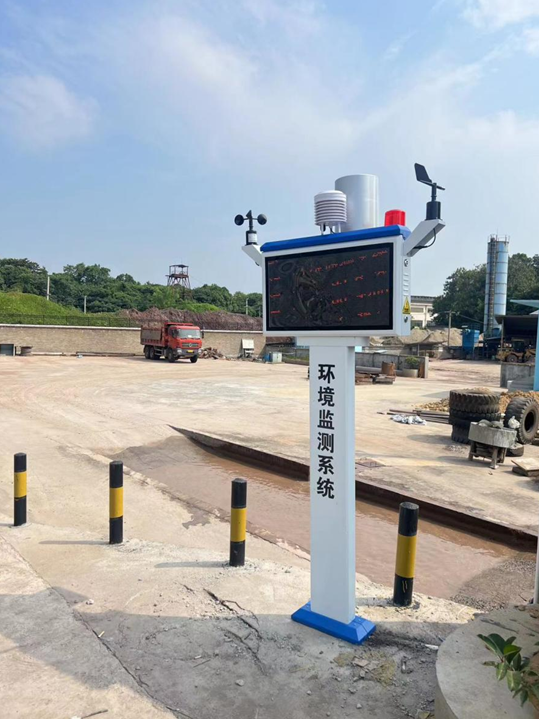
III. System Composition and Features
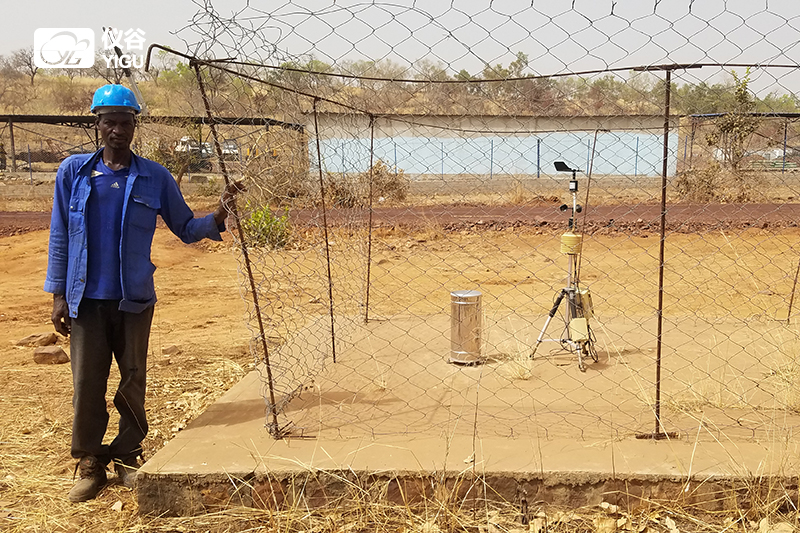
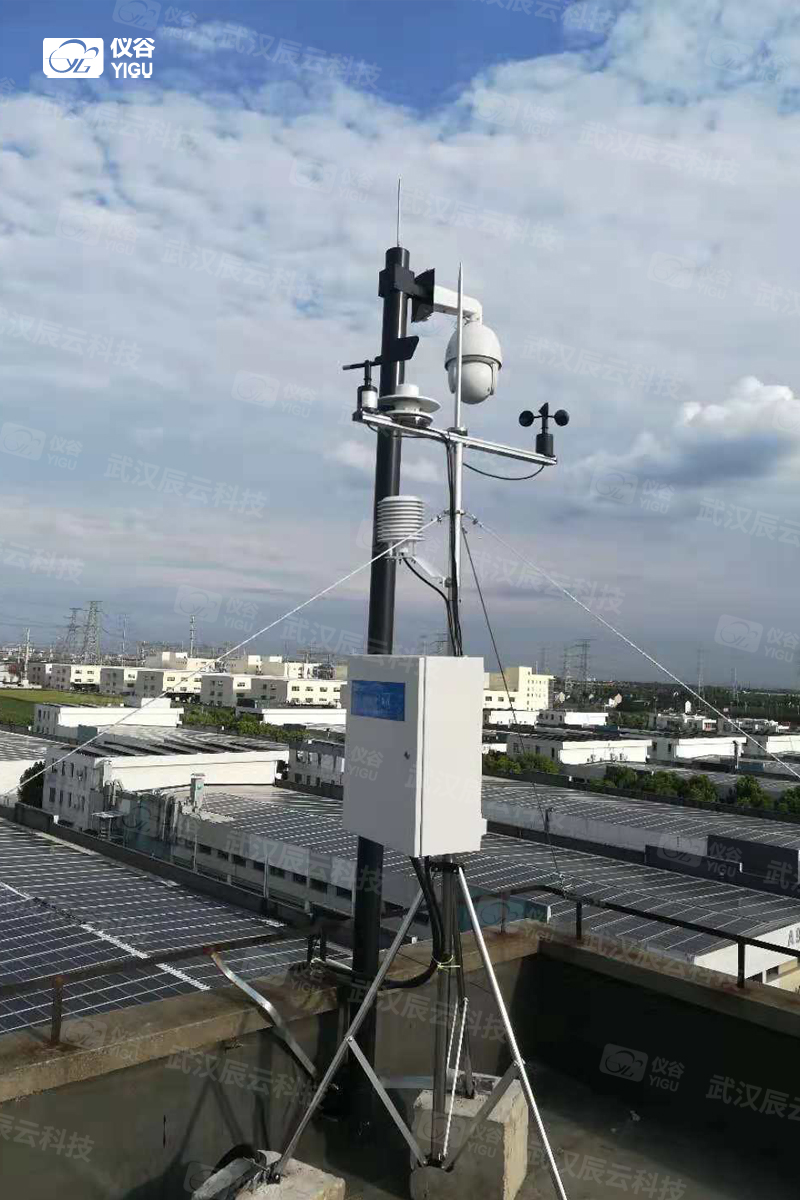
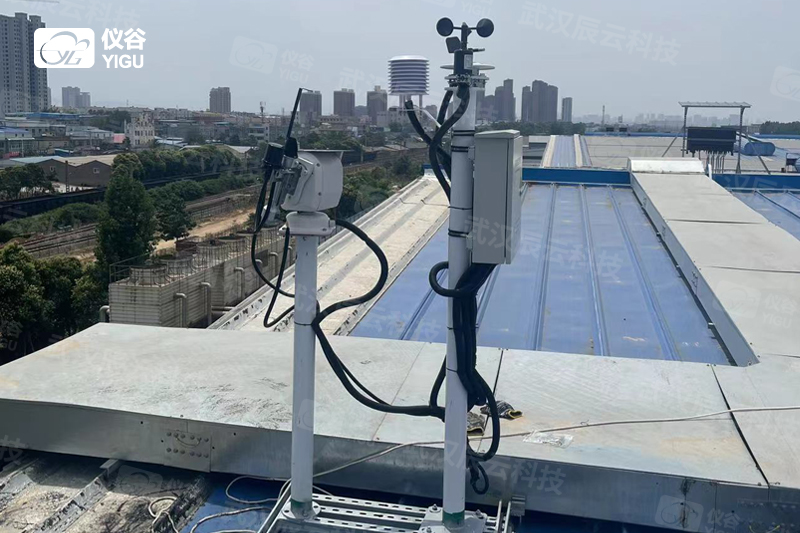
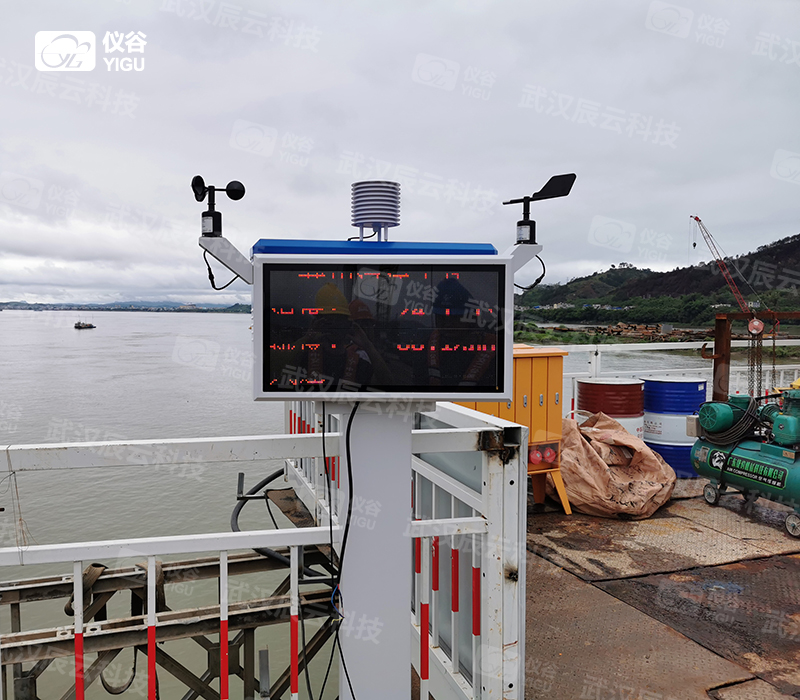
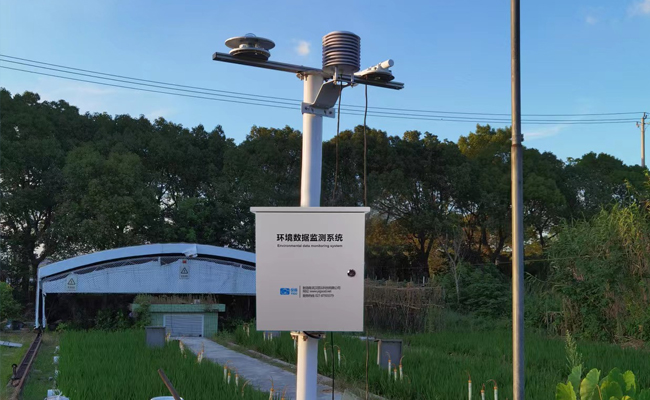
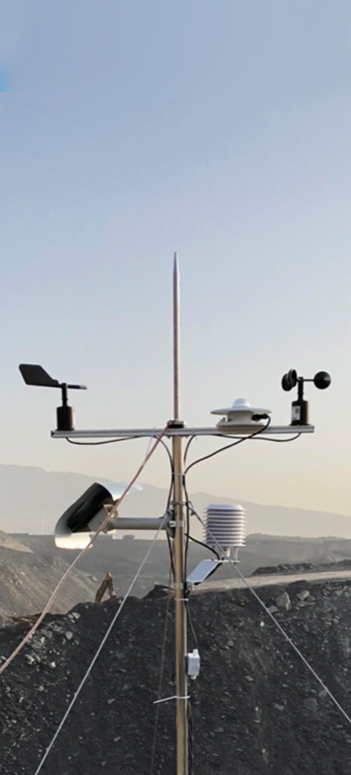
A typical mine environmental meteorological monitoring system usually consists of the following components:
-
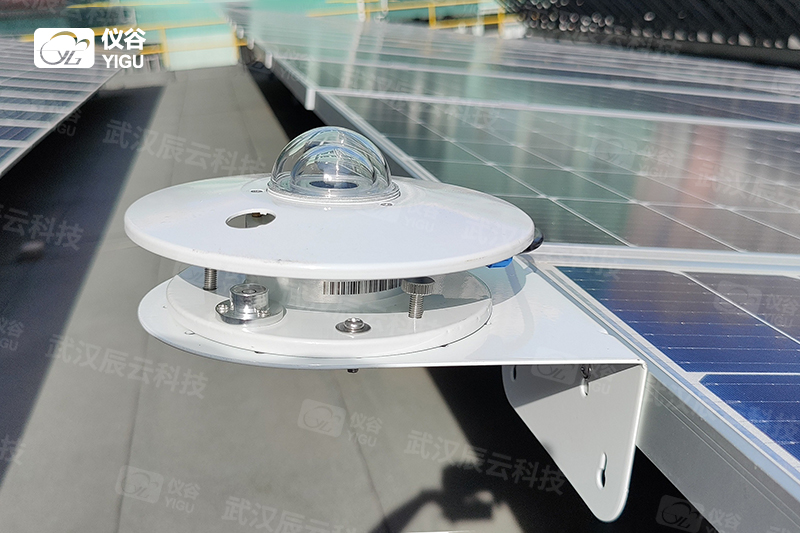
Sensor Group: Detection probes for measuring the various parameters mentioned above.
-
Data Logger: Collects signals from all sensors, and performs preliminary processing and storage of the data.
-
Power Supply System: Solar power supply systems are often adopted to adapt to the power conditions in remote mining areas.
-
Communication System: Adopts 4G/5G, radio or satellite communication methods to transmit data to the monitoring center in real time.
-
Software Platform:
- Real-time Dashboard: Intuitively displays data in the form of figures, graphs, etc.
- Early Warning Module: Presets thresholds (e.g., wind speed > 10m/s, PM10 > 150μg/m³). Once the thresholds are exceeded, the system will automatically issue alarms via sound-light alerts, SMS, emails, etc.
- Data Storage & Analysis: Stores historical data for trend analysis, report generation and accident tracing.
-
Structural Design: Rugged, dust-proof and corrosion-resistant, suitable for the harsh environment of mines.
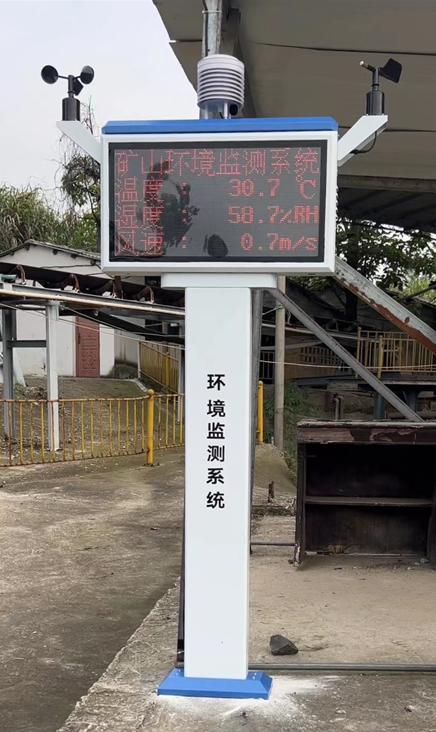
IV. Core Values and Benefits
Maximize Safety Benefits
Significantly reduce work safety accidents caused by severe weather such as strong winds, thunderstorms and heavy rains. Provide a scientific basis for emergency response and personnel evacuation.
Remarkably Improve Economic Benefits
- Reduce Downtime: Accurate weather forecasts help optimize production scheduling and avoid unplanned shutdowns due to sudden weather changes.
- Lower Operational Costs: Optimize the dosage of sprinkler water and dust suppressants to avoid resource waste.
- Protect Assets: Prevent damage to large-scale equipment caused by operation under harsh weather conditions.
Environmental and Social Benefits
- Compliance: Easily generate environmental monitoring reports to meet the regulatory requirements of government environmental protection departments, avoiding fines and suspension of production for rectification.
- Improve Community Relations: Minimize the impact on surrounding communities through effective control of dust and noise, and establish a responsible corporate image.
- Sustainable Development: Provide data support for the construction of green mines and the long-term development of mining operations.
V. Implementation Recommendations
Monitoring Point Layout
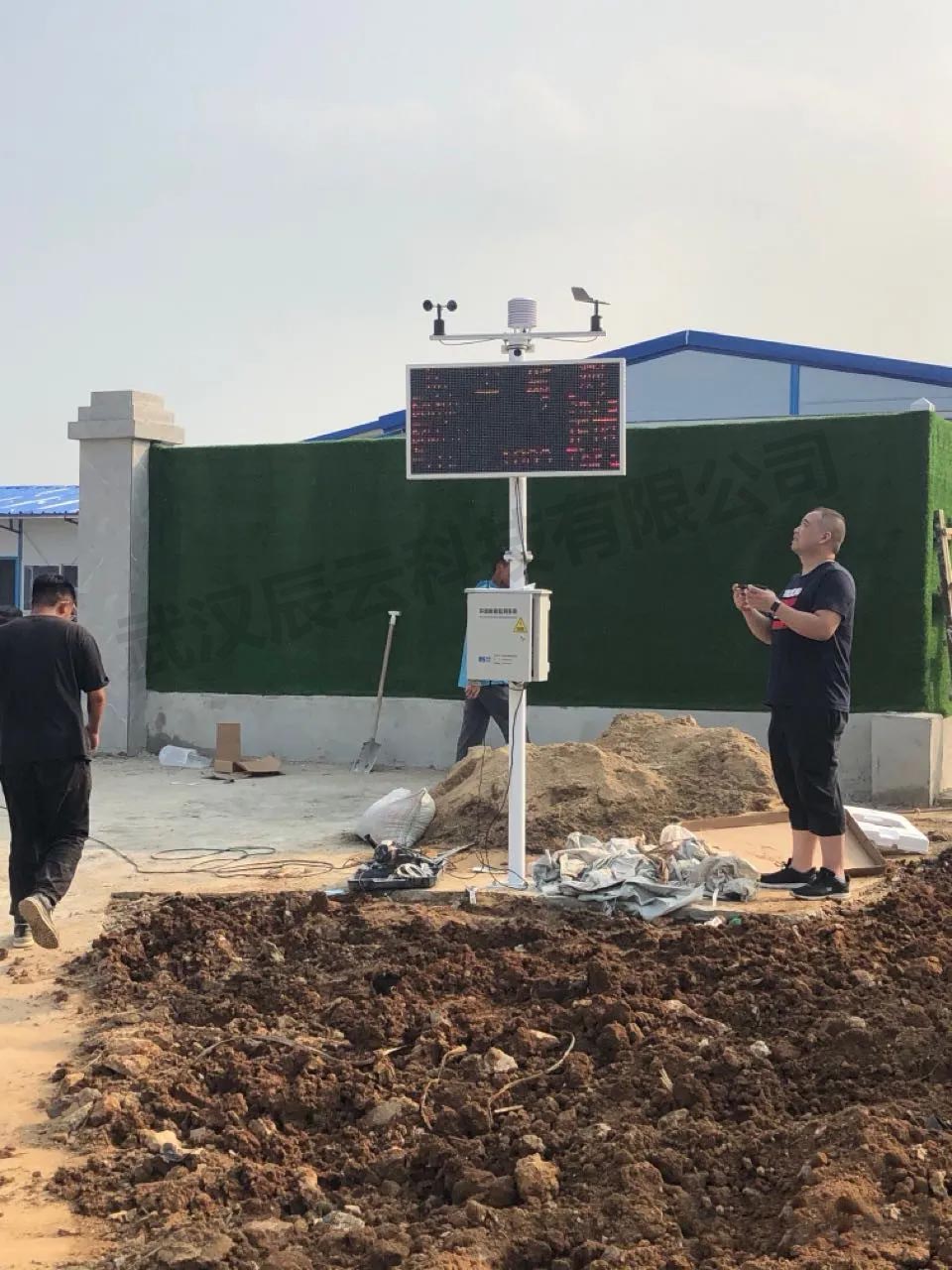
Weather stations should be installed at locations that can represent the overall meteorological conditions of the mining area. Meanwhile, micro-stations or mobile stations can be added at key operation zones (such as blasting sites, waste dumps and mine boundaries) to form a comprehensive monitoring network.
Regular Maintenance and Calibration
Given the harsh mining environment, sensors must be regularly cleaned, maintained and calibrated to ensure data accuracy.
Interconnection with Production Systems
Advanced systems can be integrated with sprinkler systems and scheduling systems to achieve automated control. For example, when PM10 concentrations exceed the threshold, the fog cannons in specific areas will be activated automatically.
Conclusion
In the modern smart mine system, environmental and meteorological monitoring is no longer an isolated function, but a core component deeply integrated with production scheduling, equipment management, safety control and environmental management. By transforming "weather"—an uncontrollable factor—into quantifiable, predictable and manageable data, it provides solid technical support for the safe, efficient and green operation of mines.




Please Contact Us